Dinosaur Ecosystem & Symbiosis Guide
Balance 40+ species so herbivores, carnivores, aquatic dinosaurs, and pterosaurs prosper together.
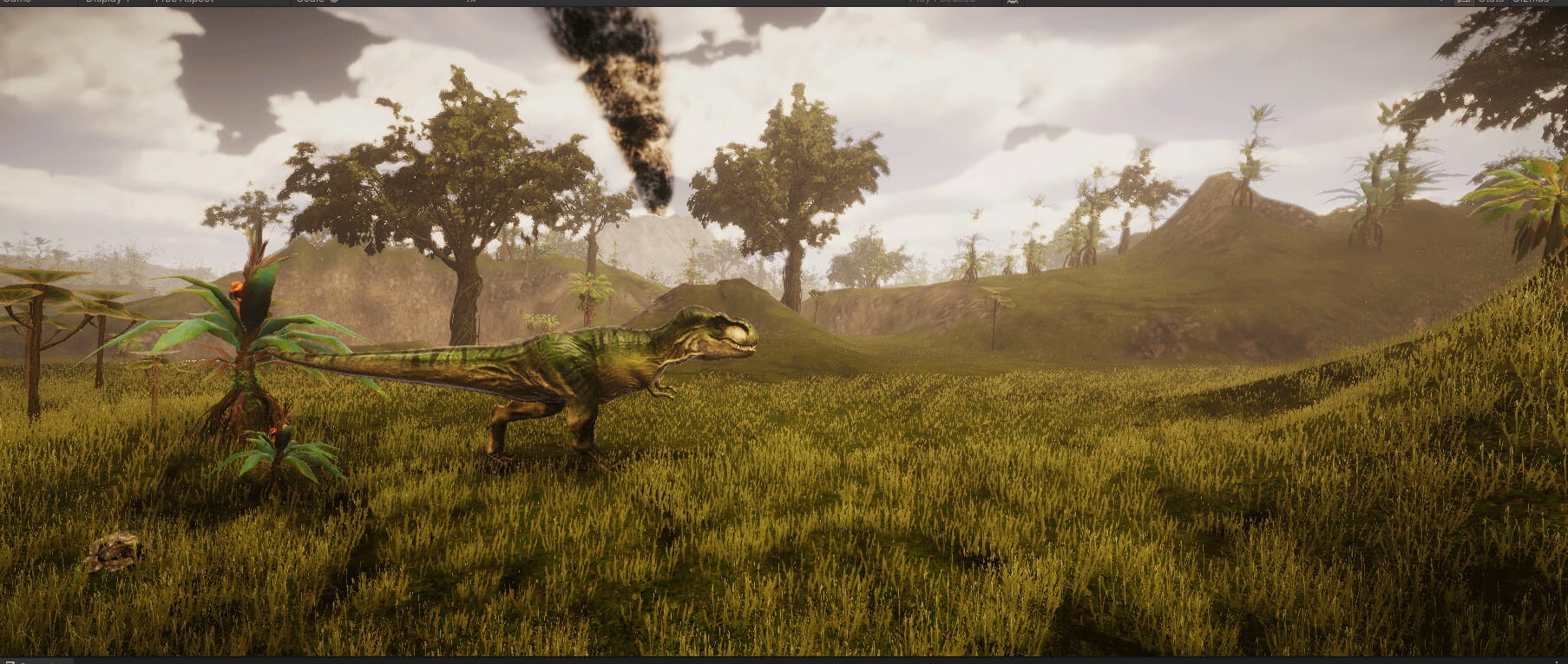
Symbiosis is the quiet win condition in Dinosaur. The island editor lets you build without hard limits, and the roster offers 40+ species—about eighty male and female variants—across herbivores, carnivores, aquatic dinosaurs, and pterosaurs on roughly fifteen maps. None of that matters if needs go unmet and populations crash. This guide explains how to read specific needs, structure food webs, space territories, and use personal control as a feedback tool so Classic islands stay alive and Creative showpieces still feel biologically coherent.
Dinosaur launches August 13, 2026 on Steam for Windows PC (Dinosaur Master, app 3294300), English-only in-game, with local split-screen co-op and Remote Play Together. There are no redeem codes that refill food or unlock “easy mode” ecosystems—see Codes—so balance skill is the progression.
What “specific needs” means in practice
Each dinosaur brings requirements that are more than a single hunger bar. Expect combinations of food type, water access, space, and social or territorial context depending on the animal. Herbivores collapse when forage is cosmetic. Carnivores collapse when prey is a one-time snack. Aquatic species collapse when channels disconnect. Pterosaurs collapse when landing and travel space is an afterthought.
Symbiosis is mutual prosperity: prey populations renew, predators take sustainable cuts, water users share coasts without trampling nests, and flyers cross open lanes without starving ground herds through panic. If one group only thrives by deleting another permanently, you built a slaughter script, not an ecosystem.
Build the pyramid, not the highlight reel
- Terrain honesty — Fix paths and water in Island Editor before blaming species.
- Herbivore base — Place compatible grazers or browsers with room to move. Male/female variants count toward the living roster; do not double density just because variants exist.
- Observe — Watch several cycles from overview, then confirm with Control Dinosaurs.
- Aquatic layer — Add water-dependent dinosaurs only on proven routes.
- Predator layer — Introduce carnivores against prey that can recover.
- Aerial layer — Add pterosaurs when landmarks and open sky exist.
- Tune — Remove or relocate failures instead of stacking more animals on a broken biome.
New players should complete Getting Started so they know mode stakes before attempting dense webs in Classic.
Herbivores: the foundation
Herbivores buy you time. Spread forage so herds circulate instead of strip-mining one pixel of grass. Avoid bottlenecks where a single carnivore entrance turns every commute into a massacre. Coastal herbivores need beaches that are highways, not decorative ledges. When co-op partners drop “just one more” herd, use the Island Planner to keep a written population cap.
If herbivores look fine in orbit but fail when you possess one, trust the grounded view. Needs that seem met on a chart can fail because the path is too steep, too long, or contested.
Carnivores: pressure with a budget
Carnivores are editors of herbivore numbers, not delete buttons. Start with fewer predators than your pride wants. After hunts, watch whether prey recovers. If it does not, you must add prey, add forage that fuels prey, shrink predator counts, or redesign escape terrain.
Apex animals from the high end of the Tier List are late additions. Mid-tier carnivores teach hunt loops with less instant extinction risk. In FPS Survival, remember that you may be the carnivore—or the prey—so unfair geometry hurts players too; see FPS Survival.
Aquatic dinosaurs: water as a biome, not a prop
Shallow fake ponds punish aquatic species. Connect lakes to coasts when you want mixed traffic. Keep land predators from owning every drinking point if herbivores must drink to live. When two players share an island, assign one person to “water quality”—watching beaching events during control tests—while the other manages inland herds (Local Co-op).
Pterosaurs: sky lanes and calm ground
Pterosaurs need somewhere to go and somewhere to land. Fill the skybox with cliffs and props and they suffer. They also stress ground animals when flight paths endless-harass the same clearing. Give aerial species a coastal thermal or open ridge and keep nursery herds farther inland if panic cascades become common.
Mode changes the definition of success
Creative lets you showcase impossible dens for screenshots, but practicing real symbiosis here still trains habits for Classic. Classic judges you on sustained prosperity—the fantasy Dinosaur advertises. FPS Survival judges you on living inside the web; a “balanced” island that is untraversable still fails the player. Compare goals in Game Modes.
Diagnostics when everything is dying
- Mass herbivore death → forage pathing, water, or predator overstock
- Fat carnivores then sudden starvation → prey wiped, no renewal
- Beached aquatics → channel depth/continuity
- Grounded pterosaurs → landing sites and open lanes
- Only one peninsula failing → quarantine and rebuild that biome instead of global panic
Use personal control for a ten-minute audit, then edit. If performance tanks while you watch huge herds, check System Requirements and reduce active counts before you misread lag as AI failure. Inputs for quick camera swaps live on Controls.
Co-op symbiosis rules that prevent arguments
Agree on a shared population budget. Ban surprise apex drops. Schedule “hunt windows” if one player loves carnivore control. Remote Play Together pairs should keep voice callouts simple in English—the only in-game language—so “needs water” means the same thing to both.
Launch-week mindset
Until August 13, 2026, practice planning with the announced roster and map count. After release, retune numbers if patches shift needs, but keep the pyramid logic. Track timing on Release Date, browse rankings on the Tier List, and return to the Wiki when you need a top-level map of systems.
Healthy islands feel busy without feeling doomed. When herbivores commute, carnivores hunt without erasing the future, aquatics travel continuous water, and pterosaurs cross open air, you have symbiosis—the point of Dinosaur’s editor fantasy.
Frequently Asked Questions
Quick answers about Dinosaur on Steam.
What does symbiosis mean in Dinosaur?
It means species meet their specific needs in ways that let multiple groups prosper together—renewing prey, shared water, and territories that overlap without cascading extinctions.
How many species should I mix on a first Classic island?
Stay narrow: a small herbivore set, proven water, then one cautious carnivore pressure. Expand toward aquatic and pterosaur layers only after the base stays stable.
Why do my carnivores starve after a good start?
They likely wiped prey faster than herds could renew. Reduce predators, improve herbivore forage and escape routes, or add prey capacity before the next hunt cycle.
Do male and female variants change ecosystem math?
They expand the roster toward roughly eighty variants across 40+ species. Treat them as living animals with needs—do not double density just because a second variant exists.
Can co-op partners maintain an ecosystem together?
Yes. Local split-screen and Remote Play Together work well with role splits: one player watches water and aquatics while the other manages inland herds and predator budgets.